Finally break free from the same old patterns.
You've done therapy. You've journaled. You've tried to think your way out. Yet you still feel stuck in the same cycles, exhausted from being kind to everyone, but not getting it back.
There's a way to joy and trusting yourself, and you don't have to do it alone.
Maybe you've thought, "If I could just get away..."
If you found the right person, the right friends, the right job, the right city, everything would finally fall into place.
The exhaustion would lift. The relationships would work. You'd feel like yourself again.
But the move happens. The new job starts. The new person arrives. And somehow you land in the same place.
The same patterns and the same people who take more than they give.
Underneath, there are thoughts you don't say out loud.
What if I never find the love I deserve?
What if I'm asking too much?
What if the overwhelm and stress don't go away?
What if I'm actually the problem?
You want to heal. You also want to be done healing.
And more than anything, you want someone to finally see how much you have to give.
None of this means something is wrong with you.
What if the real issue isn't you, but the patterns you learned?
You can rewrite them.
And you don't have to do it alone.
Most of these patterns were never choices. You learned them young, when they kept you safe.
They just stopped serving the woman you are now.
When your patterns change, your life starts to feel different:
You stop attracting people who drain you, and start trusting what your gut already knows.
You set a boundary without the guilt that used to follow.
You feel safe in your own company, and in relationships that give back as much as you do.
This is the work we do together.
Still not sure? That's Okay
You don't have to stay stuck in these cycles.
Here's where we begin:
Explore Programs designed to meet you exactly where you are.
The ReAuthored Program
For the woman ready to stop repeating the same patterns and finally feel free, joyful, and at peace. Over six months, we walk it together, one step at a time.
We'll get clear on where you are, where you want to go, and what's holding you back. From there, you'll reset your world and begin transforming your relationship with yourself. Confidence and self-love will stop being things you chase and start being things you feel.
You'll build an unshakable foundation of joy and peace.
We meet every other week for 90 minutes.


Breakthrough VIP Experience
Everything in ReAuthored, with deeper support and scheduling that flexes around your life. For the woman who's ready to go all in and wants a high-touch, extremely personalized program.
You'll move through the same six-month transformation, with more one-on-one coaching, deeper assessments when they fit, and last-minute support when something hits between sessions, so you're never left waiting.
We meet for five hours each month, scheduled around your life.
TESTIMONIALS
Here from others who've walked this path:
I can’t say enough amazing things about Katherine Kimball! Working with her has been truly life-changing. She creates an incredibly safe space where you feel seen and understood. Her guided meditations are phenomenal—more intense and magical than any I’ve tried. What I love most: Katherine doesn’t just listen and nod. She equips you with real, practical strategies for when anxiety hits hard—and they actually work. She blends deep knowledge with genuine compassion. You can tell she truly cares about your healing journey. If you’re navigating trauma or anxiety, she’s your person. An absolute game-changer!

Working with Katherine Kimball has been life-changing. I came to her navigating grief, trauma, a major move, and emotional burnout. She created a safe, grounded space where I could heal at the root—emotionally, somatically, and spiritually. With her guidance, I’ve learned to set powerful boundaries, release old patterns, and step into my worth with confidence. Her blend of trauma-informed coaching, nervous system work, and deep emotional attunement is unlike anything I’ve experienced. She doesn’t just help you cope—she helps you transform. If you’re ready to reclaim your power, she’s the real deal.

I loved working with Katherine right from the start! She listened to me and I felt heard, which allowed me to dig deep within my own heart and soul and uncover my truest feelings and desires. I highly recommend Katherine to anyone considering hiring a coach for any goal, issue, or stuck place.
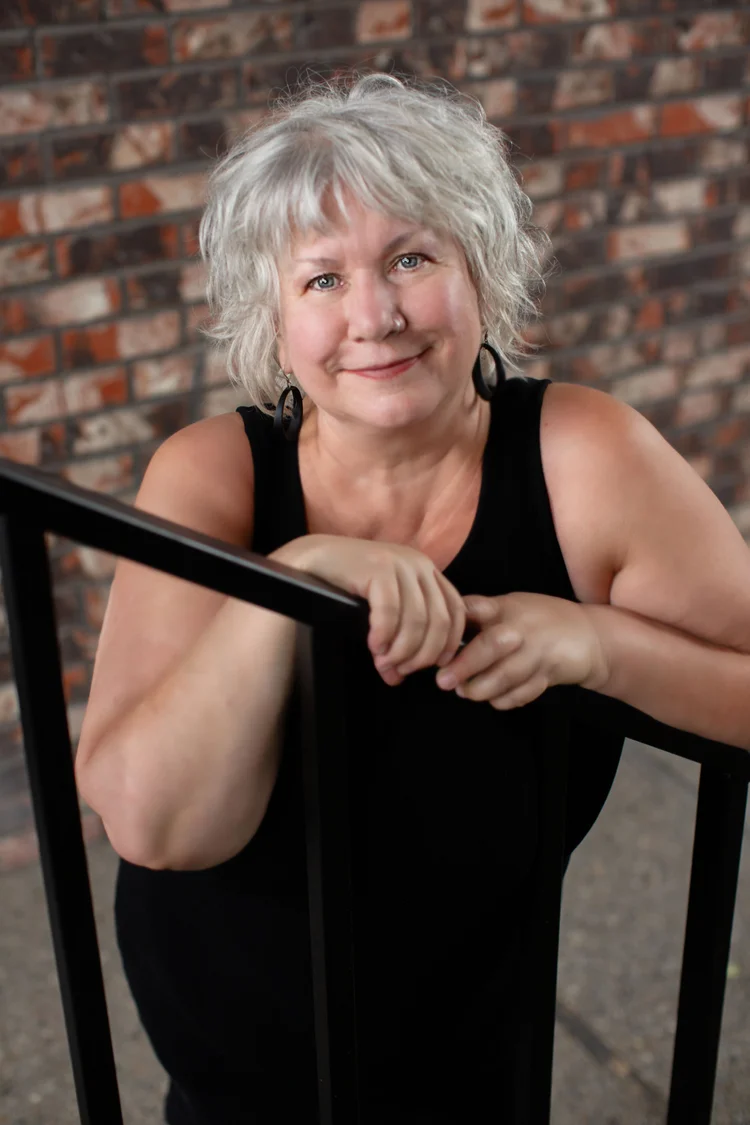
Katherine's coaching taught me to love myself. I realized in our sessions that my inner child just wanted to be chosen. I learned how to say to my inner child 'I choose you.' I felt completely safe with her and like I could be myself. Since our sessions, I've thrived and felt much happier like I'm living my best life.

Katherine helped me access joy and peace within me that I was struggling to find on my own. She helped me reconnect with the deeper spiritual side of me and realize that I need to focus not only on loving myself, but loving the moment

I've joined multiple of Katherine's virtual workshops and she's fantastic! The work she does, the journey that she takes you on with her written exercises, are really tremendous and I've recommended them to so many of my friends and family members. Plus her kind soul makes her a joy to talk to, she's really given me so much advice and guidance, I can't recommend her enough!

MEET THE FOUNDER & COACH
Your Guide from Overwhelm to Empowerment

I'm Katherine Kimball, a Trauma Recovery and Empowerment Coach.
I know this work well because I lived it.
For years, I looked like the happiest person in the room. Then cried alone at night and broke down in my shower.
High-functioning anxiety, depression, and complex trauma was wrecking my health.
Setting boundaries terrified me.
I stayed in relationships that hurt me. Codependent, people-pleasing, empty.
I told myself, next time will be different.
It never was.
My life looks nothing like that now. I love who I am. I set boundaries without guilt. My relationships feel safe and honest. I'm married to a wonderful, loving partner.
Most of all, I built an unshakable foundation of joy that I can return to anytime. When life around me falls apart, I still find peace within myself.
That's the work we do together.
The foundation I built is the one I'll help you build too.
TRAUMA RECOVERY & EMPOWERMENT MODEL
Your Toolkit for Lasting Change
Therapy gives you the map. It helps you sit with the pain, name what happened, and understand patterns. But understanding isn't the same as changing.
After therapy, I still didn't know how to feel safe in my own body, or how to stop choosing people who hurt me.
So I spent years learning how. I built a process that blends somatic work and nervous system regulation with expressive writing and meditation. Science and soul, working together.
It's how I learned to reach a calm, grounded place inside myself anytime, no appointment required. Now that process is the work we do together, so you can:
- Feel safe in your own body, even when life feels uncertain
- Trust your gut and walk away from people who drain you
- Set boundaries without the guilt that used to follow
- Build a life that feels beautiful, joyful, and yours
Because We Heal Faster Together.
I’m here to be your guide, the one I wish I’d had when I started my journey 10 years ago.
FAQS
Take a step forward—Start the Conversation
What does “KataVita” mean, and how does it relate to trauma recovery?
KataVita isn’t just a name, it’s a philosophy and a commitment to living with purpose, authenticity, and courage.
"KataVita” blends Latin and Eastern wisdom to reflect a life lived intentionally.
“Kata” comes from Japanese martial arts, where it represents a system of practice—not just movement, but the philosophy and values behind it. It’s about training, discipline, and mastery of both body and mind.
“Vita” is Latin for life, and it’s also an homage to Katherine’s grandmother, Victoria Lay, who was known as “Vita.”
Together, KataVita means living with authenticity, courage, and alignment—choosing love over fear, presence over perfection, and practicing life well. It’s about rewriting your story, breaking generational cycles, and turning pain into purpose.
For trauma recovery, KataVita embodies the idea that healing isn’t a destination, it’s a practice. It’s learning to navigate life with confidence, trust your instincts, and create a life that feels joyful, safe, and intentional. At KataVita Coaching, we help you build that practice, so you can look back and know you lived your life well.
What’s the difference between a trauma recovery coach and a therapist? and which is right for me?
Therapy helps you understand your past. Coaching helps you build your future. Both support healing, they just work differently.
Therapy looks backward, into how past experiences and trauma shape you now. It's essential for diagnosing mental health conditions, providing clinical care, and supporting anyone in crisis or facing severe symptoms that disrupt daily life. If that's where you are, therapy is the right place to start.
Coaching works in the present. It's about taking ownership of what you can control, releasing what you can't, and taking real steps toward the life you want. We may look at the root of a pattern for clarity, but the focus stays on reshaping habits, reframing beliefs, and building a life that fits who you're becoming.
The relationship is different too. In therapy, the therapist is the expert. In coaching, you're the expert on your life, and I'm your guide.
Coaching is the right fit if you:
- Have done therapy but still feel stuck in the same patterns
- Are ready to move past processing and into real tools and actions for lasting change
- Found that talking about it just wasn't enough
- Don't like the "our time is up" model and want more support between sessions
If you've done the therapy and still feel caught in old cycles, that's exactly what the Breakthrough Program is built for. It gives you the tools and accountability to turn insight into action.
Why is the Breakthrough Program six months?
Lasting change doesn't happen overnight. It takes practice, repetition, and time.
Your brain doesn't swap an old pattern for a new one on command. New ways of thinking grow stronger only when you practice them, again and again, with support along the way.
Think of it like a dirt path. The more you walk it, the deeper it wears in. To change direction, you walk the new way over and over, long enough for the old path to grow over. That's how a new pattern becomes your default.
Six months gives you the space to:
- Practice new habits until they hold
- Get consistent guidance and accountability
- Reach the old patterns at the root and change them there
A weekend workshop can spark insight. Six months is what turns insight into a life that actually feels different, one that holds when things get hard.
How do you get over trauma?
Healing from trauma isn’t a straight line, it’s an upward spiral. Some days feel like regression; others feel like breakthroughs. But when you look back, you’ll see progress you never thought possible.
The myth of “being done” or “being normal” sets us up for failure. Healing isn’t a destination; it’s a lifelong skill set. When the body repairs a cut, the wound heals by growing new cells, just as we grow new strengths after every challenge.
This isn’t about being happy all the time or avoiding hardship. It’s about choosing how you respond instead of reacting from old patterns. You reclaim your power when you realize your past doesn’t control your future.
You get to decide:
- How you show up in the world
- What emotions guide your daily life
- What patterns you break and which ones you keep
- Where you invest your energy
At KataVita Coaching, we focus on nervous system regulation, identity shifts, and habit change, not just processing pain, but building the tools to face whatever comes next with clarity, courage, and self-trust.
How long does it take to rebuild self-trust after trauma?
Rebuilding self-trust is a process, and it’s important to focus on your past wins and give yourself more credit than you might be used to.
Even when you feel like you’ve made a mistake, remember: at the time, with the information you had, you made the decision you thought was best for you. Your responses weren’t failures, they were your body and mind trying to protect you.
Self-trust isn’t rebuilt by rushing or judging yourself harshly. It grows when you release judgment and criticism, understand that you’re doing the best you can, and trust that you’re capable of growth.
In the past, you’ve done your best with what you knew. Now that you know better, you can do better, and having faith in that is what lays the foundation for lasting trust.
This isn’t a race. Every step, every small victory, and every moment of self-compassion counts. At KataVita Coaching, we help you build this trust through nervous system regulation, identity shifts, and habit change, so your healing becomes second nature.
How do I stop attracting toxic people?
You keep attracting toxic people because you’re waiting for someone else to love you the way you deserve. This is often rooted in who you believe you are.
If you’ve experienced a string of relationships that started full of promise but quickly spiraled into the same toxic patterns, you’re not alone. Often, it begins with the hope that “this time will be different”, until the same red flags appear: avoidance, dishonesty, control, and emotional unavailability.
Maybe it’s the rollercoaster of inconsistent communication, excuses, guilt-tripping, or the way your needs are dismissed. The signs are familiar: a partner who only talks about themselves, reacts poorly to boundaries, or plays the victim when confronted.
But here’s the deeper truth: the issue isn’t the men you’re choosing, it’s the love you’re not giving yourself.
Many women stay in cycles of toxic relationships because they’ve tied their worth to "fixing" others, dating "potential", or think being treated right happens by "proving" their value through sacrifice.
Rather than recognizing their inherent worth, and immediately walking away from those not willing to put in the effort.
Deep down, if you don’t believe you deserve safety, respect, and love, you’ll keep accepting less.
Breaking the cycle starts with rebuilding your self-worth from the inside out. That means:
- Learning to value yourself unconditionally
- Setting boundaries without guilt
- Recognizing that your needs matter just as much as anyone else’s
- Healing the belief that love must be earned or that you’re only lovable if you “fix” someone else
And here’s a step most people don’t talk about: learning to be attracted to relationships that reflect your worth. It’s not just about attracting safe people, but feeling drawn to them.
Healing from trauma often means learning to recognize that safety, consistency, and respect aren’t boring, they’re the foundation of real connection.
At KataVita Coaching, we help you rewrite these patterns, rebuild confidence, and create the foundation for relationships that honor your true self.
What is the difference between a toxic and an abusive relationship, and how can coaching help?
Understanding the distinction between a toxic relationship and an abusive relationship is the first step in seeking the right support for your healing journey.
A toxic relationship is marked by unhealthy patterns like poor communication, constant criticism, and a lack of support. These relationships can leave you feeling drained, unappreciated, and stuck in cycles of negativity. A trauma recovery coach can help you recognize these patterns, set boundaries, and develop healthier communication and relationship strategies.
An abusive relationship, however, is defined by patterns of behavior designed to gain and maintain power and control over someone. This can include physical, emotional, economic, or psychological abuse. If you're in an abusive relationship, or thinking about going back to one, your safety and well-being come first. Seek support from a trained therapist or counselor who can provide resources and guidance.
If you’re currently in an abusive relationship, seek help immediately. Trusted, confidential resources include:
National Domestic Violence Hotline (U.S.) – Call 1-800-799-SAFE (7233) or text "START" to 88788.
RAINN (U.S.) – Call 1-800-656-HOPE (4673) or chat online for support.
Love is Respect (U.S.) – Call 1-866-331-9474 or text "LOVEIS" to 22522 for teens/young adults.
For international support, visit Domestic Violence Hotline (UK) or Domestic Violence Hotline (Canada).
If your safety is at risk, please reach out to local authorities or a trusted person for immediate help.
For more detailed information on what defines a toxic vs abusive relationship, please visit The Gottman Institute's article on defining a toxic relationship.
How long does it take to see results from trauma recovery coaching?
Trauma recovery coaching delivers results when you commit, but breakthroughs can happen faster than you think.
Clients have made breakthroughs in as little as one session. Tangible shifts in confidence, clarity, and self-trust are a few examples, especially when focusing on actionable tools and mindset shifts.
That said, the deeper transformations, like rewiring old patterns, building unshakable self-trust, and living from a place of empowerment, come from consistent, active engagement in coaching. The longer you work with a coach, the more you’ll integrate these changes into your daily life.
At KataVita Coaching, we measure results by your ability to navigate challenges with ease, trust your instincts, and create joy without guilt. Your progress is unique, but you’ll feel the difference as you build new habits and rewrite your story.